The Importance of an Investor Data Room in Modern Fundraising

Fundraising can move from a warm introduction to a full diligence sprint in a matter of days, and the fastest-growing risk is not “running out of runway.” It is losing control of sensitive information while trying to keep momentum. When investors ask for customer contracts, cap tables, board materials, product roadmaps, and compliance evidence, founders and finance teams face a practical concern: how do you share enough to build trust without oversharing, misplacing files, or creating a security incident?

This is where a well-run investor data room becomes a strategic asset. Done right, it accelerates diligence, reduces back-and-forth, and supports disciplined governance. Done poorly, it creates confusion, delays, and reputational risk at the worst possible time.

What an Investor Data Room is (and what it is not)

An Investor Data Room is a secure, structured environment for sharing confidential company information with potential investors under controlled access. Unlike email threads, shared drives, or ad hoc file links, it is designed for permissioning, auditability, and consistent organization across multiple stakeholders.

Many organizations implement Investor Data Room practices using virtual data rooms, which are purpose-built platforms for controlled document distribution, activity tracking, and secure collaboration. This is especially important when your fundraising process involves multiple firms, counsel, and internal reviewers who each need different levels of access.

It is also not just a “folder of PDFs.” A modern setup is closer to an operating system for diligence: it combines document governance, workflow discipline, and the evidence trail investors expect when they assess operational maturity.

Why fundraising today demands a controlled diligence environment

Speed and competition have changed investor expectations

Investors increasingly run parallel processes, compare opportunities quickly, and expect responsive information delivery. If your materials are scattered across inboxes and personal drives, you may lose days to version control and internal coordination. A data room helps you answer questions once, publish the source document, and avoid repeated “latest version?” messages.

Security and disclosure risk are now board-level issues

Fundraising requires sharing sensitive information, and that automatically expands your threat surface. Access controls, strong authentication, and audit logs are no longer “nice to have.” They are core diligence hygiene. Aligning your approach with recognized guidance can help: the NIST Cybersecurity Framework provides a practical way to think about identifying, protecting, detecting, responding, and recovering, which maps naturally to how you should manage investor-accessible information.

For public companies (and private companies planning ahead), disclosure expectations are also evolving. The U.S. Securities and Exchange Commission has highlighted governance and disclosure practices related to cybersecurity risk management in its 2023 final rules. Reading the SEC final rule on cybersecurity risk management and disclosure can help teams understand what “good” looks like when investors ask how risk is overseen and documented.

Core features that make an Investor Data Room effective

The most valuable benefits come from combining secure technology with a disciplined process. In practice, a strong Investor Data Room typically includes:

  • Granular permissions by group and document (view, download, print restrictions).

  • Audit trails showing who accessed what, when, and for how long.

  • Version control and a single source of truth for key diligence items.

  • Watermarking and document controls to reduce leakage risk.

  • Structured Q&A workflows to avoid fragmented email chains.

  • Fast search and consistent indexing so investors can self-serve.

Even with the best platform, you still need governance around what is included, who approves uploads, and how new information is released. Otherwise, the room becomes a dumping ground, and investors will notice.

How governance tools and data rooms work together

Fundraising diligence often overlaps with board operations. Investors may ask for board consents, minutes, committee charters, or evidence of oversight in areas like security and financial controls. A Board Management Portal can help centralize board materials and approvals, while a well-designed fundraising data room can publish the specific artifacts that belong in external diligence.

Many teams benefit from treating fundraising as part of a broader discipline described in A strategic guide for optimizing corporate governance, AI-driven M&A due diligence, and virtual data rooms. In other words, the data room is not an isolated “fundraising task.” It is one component of how a company demonstrates order, accountability, and readiness for scrutiny from sophisticated stakeholders.

Where an Investor Data Room fits across the fundraising lifecycle

Different stages require different depth. A common mistake is building a single room that is either too thin to support diligence or too broad for early-stage conversations. A better approach is to plan tiers of access and content.

Fundraising phase

Typical content focus

Access approach

Early conversations

Pitch deck, high-level KPIs, market materials, lightweight financials

Limited group access; no customer-identifying documents

Term sheet to diligence

Cap table, financial model, security overview, key contracts summaries

Expanded access; staged releases; tracked activity

Final diligence and closing

Customer contracts, policies, IP docs, employment matters, legal diligence

Strict permissions; counsel-specific folders; full audit logging

This staged model helps you move quickly without giving away sensitive details too early. It also reduces the chances of accidentally disclosing information that is not appropriate for a particular investor group.

AI-driven diligence is raising the bar

More investors and acquirers are adopting AI-assisted review workflows to speed up reading, extraction, and risk spotting. That changes what “good preparation” looks like. If your documents are mislabeled, inconsistent, or missing key context, AI tools can amplify confusion as quickly as they surface insights.

Organizing the room with consistent naming conventions, clear folder taxonomy, and completeness checklists is no longer just for human reviewers. It also supports AI-driven M&A due diligence by ensuring documents are searchable, comparable, and logically grouped.

How to set up your Investor Data Room: a practical checklist

If you want investors to experience your company as decisive and well-governed, your room needs structure. The following steps are a reliable baseline:

  1. Define an owner and an approval workflow for uploads (finance lead, legal, or a dedicated deal lead).

  2. Create a folder taxonomy that matches investor diligence patterns (Corporate, Financials, Product, Customers, Legal, Security, HR).

  3. Start with a “must-have” index, then expand based on questions rather than guessing what might be needed.

  4. Set permission groups (lead investor, other investors, external counsel, internal reviewers) and apply least-privilege access.

  5. Enable audit logs, watermarking, and download restrictions where appropriate.

  6. Publish a short Read Me file explaining navigation, definitions (for KPIs), and where to ask questions.

  7. Run an internal dry run: can someone unfamiliar find the top 10 diligence documents in under five minutes?

  8. Maintain a change log for new uploads and revised documents to prevent version confusion.

Choosing software matters, but process matters more. Some teams use platforms such as Ideals, along with internal governance tooling, to ensure both secure sharing and clear accountability over what gets disclosed.

Common pitfalls that slow diligence (and how to avoid them)

  • Over-sharing too early: Control access by stage, and avoid exposing customer-identifying contracts before serious intent is established.

  • Inconsistent metrics: Ensure KPIs in the deck match KPI definitions and finance reports; add a brief metrics glossary.

  • Unclear cap table history: Provide a clean cap table plus supporting option plan and major financing documents.

  • Missing security evidence: If you claim specific controls, provide the policy or artifact that substantiates it.

  • No single Q&A channel: Route questions through a consistent process to avoid contradictory answers across email threads.

Ask yourself: if an investor downloaded your room index and reviewed it without a meeting, would it answer the obvious questions, or would it create more?

Security, trust, and the “confidence effect”

Investors evaluate two things at once: the opportunity and the operating maturity behind it. A disciplined disclosure process signals that leadership understands risk, respects confidentiality, and can run complex workflows under time pressure.

That is why Investor Data Room execution has an outsized impact. When files are organized, access is controlled, and questions are handled consistently, the process feels predictable. Predictability reduces perceived risk, and perceived risk influences valuation, terms, and speed to close.

To see how teams structure an Investor Data Room in practice, it helps to compare the difference between “documents we have” and “evidence packaged for diligence.” The latter is what accelerates decisions.

What to include: a high-signal document map

Exact diligence requirements vary by industry, but investors tend to ask for similar categories. Consider preparing the following content sets, then tailoring depth by stage:

  • Corporate: certificate of incorporation, bylaws, board consents, material subsidiaries, stock ledgers as applicable.

  • Finance: historical financials, forecasts, burn and runway analysis, revenue quality notes, AR/AP summaries where relevant.

  • Legal: material customer/vendor agreements, IP assignments, litigation summaries, regulatory correspondence if any.

  • People: org chart, key employment agreements, option plan documents, benefits overview.

  • Product and operations: roadmap, architecture overview, incident history summary, key operational KPIs.

  • Security and compliance: policies, risk assessments, vendor management approach, training evidence, access control standards.

The goal is not to overwhelm. It is to anticipate the “proof points” behind your narrative and make those proof points easy to verify.

How to choose the right platform

When evaluating providers of virtual data rooms, prioritize capabilities that reduce both diligence friction and confidentiality risk:

  • Permission granularity: Can you control by folder and document, and adjust quickly as the investor group changes?

  • Audit and reporting: Can you see engagement patterns to understand what investors care about?

  • Ease of use: Will external parties adopt it without training calls?

  • Security controls: Strong authentication options, watermarking, and sensible download controls.

  • Support and uptime: Fundraising often runs on tight timelines; you need responsive support.

Finally, ensure your internal governance is aligned. If board materials and approvals live in one system and external diligence lives in another, define a clear boundary: what is strictly internal, what can be disclosed, and who signs off.

Conclusion

Modern fundraising rewards companies that can move fast without losing discipline. A well-structured Investor Data Room turns diligence into a controlled, auditable process that protects sensitive information while helping investors reach confident decisions sooner.

By combining secure sharing through virtual data rooms with governance rigor that mirrors how serious boards operate, you reduce friction, lower risk, and present your company as investable at scale.

AI-Powered Document Analysis: The Future of Mergers and Acquisitions Due Diligence Processes

Artificial intelligence now sits at the centre of modern transaction work. Deal teams use machine learning and large language models to classify documents, extract clauses, flag anomalies, and summarise findings for executives who must decide quickly. The goal is not to replace expert judgement. It is to reduce noise, surface risks earlier, and provide a verifiable trail of how conclusions were reached.

This guide explains where AI delivers value today, the controls buyers should insist on, and how to integrate automation into disciplined M&A due diligence workflows.

Why AI matters for due diligence in 2025

  • Volume and speed: Data rooms often contain hundreds of thousands of files across contracts, financials, and technical artefacts. AI reduces manual triage time and helps teams focus on material issues.

  • Complexity: Cross‑border transactions bring varied legal frameworks and disclosure standards. Models trained on clause libraries can highlight governing law, change‑of‑control, assignment, and data‑transfer provisions quickly.

  • Consistency: Automation creates repeatable checks that human reviewers can audit, which is valuable for boards, insurers, and regulators.

For broader context on AI governance, see the European Commission’s overview of the EU AI Act, which outlines risk categories and compliance expectations. For cyber and incident‑cost trends relevant to transaction risk, IBM’s 2025 report remains a useful benchmark.

What AI can do well today

1) Smart ingestion and classification
Models detect document types — NDAs, MSAs, employment agreements, DPAs — and route them to the right reviewers. Duplicate detection and version matching reduce clutter.

2) Clause extraction and comparison
Tools pull key clauses such as termination, MFN, exclusivity, audit rights, liability caps, IP ownership, data processing, and transfer restrictions. Side‑by‑side comparisons expose deviations from playbooks.

3) Redaction at scale
Automatic masking of personal data, bank details, and trade secrets speeds sell‑side preparation and reduces leak risk.

4) Q&A acceleration
Language models draft first‑pass answers based on approved sources. Teams review, edit, and publish with full attribution to the originating documents.

5) Financial and operational signal finding
Entity resolution, invoice parsing, and anomaly detection point analysts to suppliers with concentration risk, unusual payment terms, or sudden margin shifts.

6) Executive summaries with evidence links
AI produces structured briefs that link back to source pages. Decision‑makers can validate claims without digging through folders.

What still needs human judgement

  • Materiality: Deciding what truly affects value or risk.

  • Context: Interpreting ambiguous clauses, sector‑specific norms, or regulatory nuances.

  • Negotiation: Crafting remedies, warranties, or price adjustments.

  • Ethics and culture: Assessing leadership quality, incentives, and control environments.

Controls to demand from AI‑enabled platforms

  1. Access governance
    SSO, enforced MFA, and role‑based permissions for internal and external users. Logs for prompts, outputs, and any human edits.

  2. Data usage guarantees
    Clear terms that your content does not train global models. Telemetry separated from documents, with retention controls.

  3. Explainability and traceability
    Every extracted field or summary should link to the exact source page. Models should expose confidence levels and allow reviewer overrides.

  4. Regional hosting and residency
    EU‑resident storage and backups where required, with transparent sub‑processor lists and tested disaster recovery.

  5. Quality assurance
    Precision and recall targets for key extractors; regular benchmark reports shared with customers; human‑in‑the‑loop workflows for sensitive items.

  6. Audit readiness
    Immutable logs, exportable evidence packs, and documented model change history. These support internal audit, insurers, and regulators.

Practical workflow: from intake to sign‑off

Intake

  • Bulk upload and de‑duplication.

  • Automated classification and routing to workstreams.

Review

  • Clause extraction mapped to a standard checklist.

  • Exception queues for outliers with low confidence.

Q&A

  • Drafted answers citing source files and page references.

  • Approval gates before external publication.

Reporting

  • Issue logs with severity, owner, and proposed remedy.

  • Executive memo that links every claim to evidence.

Sign‑off

  • Final audit trail export; archive with retention plan.

  • Lessons captured to refine playbooks and model prompts.

Red flags when evaluating AI features

  • No ability to disable AI by workspace or user group.

  • Summaries without citations to source text.

  • Ambiguous statements about model training or data retention.

  • Lack of EU hosting options for content and backups.

  • Missing disaster‑recovery evidence or recent test results.

Measuring impact: what to track

  • Time to first review for key folders.

  • Exception rate — percentage of items requiring human correction.

  • Cycle time from data room open to confirmatory sign‑off.

  • Escalations tied to data quality or access issues.

  • Insurer queries resolved on first pass due to better evidence.

Sector notes

  • Software: Focus on licence compliance, open‑source disclosures, and customer data processing terms.

  • Healthcare: Pay attention to patient data, trial records, and regulatory submission integrity.

  • Industrial: Track environmental permits, safety incidents, and long‑term maintenance obligations.

Getting started in a legacy environment

  • Run a pilot on a closed deal to test extraction quality without delivery pressure.

  • Map your existing checklists to model outputs and define confidence thresholds.

  • Train reviewers on prompt hygiene, citation checks, and override etiquette.

  • Integrate outputs into your templates for investment memos and SPA schedules.

The bottom line

AI elevates due diligence when it is governed, transparent, and tied to clear business outcomes. It speeds low‑value work and raises the quality of decision‑making by pointing experts to what matters. Organisations that adopt automation with robust controls will move faster, negotiate from a position of evidence, and close with fewer surprises.

Business Security with a Virtual Data Room

Significant documents are a need in any industry. Individuals manage reports, join bookkeeping boards and make documents that are vital to the organization’s construction. Those records should be put away someplace. As of not long ago, organizations were utilizing actual data rooms to store their most significant organization records.

Why is it a good idea for you to pick a VDR?

Actual data rooms are not the most reliable stockpiling for reports; individuals frequently make blunders. While overseeing profoundly delicate records this will undoubtedly occur. Also the extra expenses of contracting the area and utilizing the staff it involves.

Therefore virtual data rooms were developed for enhanced security  https://85ideas.com/blog/virtual-data-room-security-role/. There are two or three methods for making M&A deals safer, and perhaps the most secure choice for increasing the security of your arrangement is using a virtual data room. In blend with the most recent security headways, and bank-grade encryption, virtual data room software is the most ideal decision for your report stockpiling.

There are benefits to utilizing this instrument regardless of the business or the size of the organization. Conventional capacity and record-sharing projects are restricted in abilities. Foundation and business-basic requirements forecasts make computerized data room makers the most progressive in innovation.

Information protection

With regards to corporate arrangements, all tasks ought to be protected and gotten as they are associated with private information and monetary issues. Data room suppliers ensure that their items are safeguarded, and normally offer a wide exhibit of valuable highlights, for example:

  • discovery of any unsafe software and spyware;
  • the valuable chance to put watermarks on the docs;
  • the use of approvals;
  • high-level encryption calculations;
  • reinforcement data.

These elements can take information security to a higher level and decrease the chance of unlawful activities. The monetary dangers are additionally brought down.

In which business areas are VDRs utilized?

The referenced advantages of VDRs make their material to a scope of business areas. VDRs are normally connected with the monetary administration area, especially M&A, resource management, and joint endeavors. In M&A virtual data rooms are utilized particularly during due diligence. There are an excessive number of archives with classified and delicate data engaged with M&A exchanges which should be open to numerous partners like purchasers, merchants, counselors, and so forth. 

Utilizing virtual data room software is a protected and solid way for all gatherings to trade and survey reports, saving a lot of time and money. The intuitive use and composed plan of VDRs make them intriguing to a wide collection of associations, for instance, land, regulation workplaces, and consultancies. Correspondence simplicity and honesty of the records aren’t a hustle any longer for these organizations.

Full access management

Furthermore, in the event that somebody accessed the records without your insight, you can promptly stop their activities in the tracks and recapture command over who watches what in your virtual data room. With intricate measurable information going from the number of records somebody opened, to the time somebody has spent altering the items in an envelope, a virtual data room gives you numerous conceivable outcomes of controlling the luck in your web-based document store.

Gathering individuals into access gatherings and management of consent settings is one of the many advantages a virtual data room presents. Besides the fact that it assists with the security, it additionally assists with the work process, as individuals have just admittance to the records that are essential for them.

Due diligence virtual data room

In the recent technological changes, it exists a wide range of tips and tricks that are suitable for every organization. As it is diverse information, directors may lose concentration and reliable information. In order to cope with these difficulties and even more as here, you will find the required information that will stimulate you to make an informed choice. Are you ready?

Due diligence virtual data room is a perfect software for storing all files and materials that are relevant for business deals. There is no doubt that every organization deals with diverse projects and assignments that should be completed in recent terms. Besides, it focuses on the level of preparation as all participants will get a secure space where they can organize the collaborative work. guarantees a high level of security, so there will be no opportunities to steal sensitive files and other hackers attacks.

The whole corporation will have such benefits as:

  • Stable workflow as it will be optional to have a remote work and create a personal working environment;
  • Protected communication or live chatting that gives more resources to work in teams and reach the best solutions;
  • Control that shares profound information about the overall employee’s performance and presents statistics for directors or responsible managers;
  • Saves time and increases the companies strength.

Software for deal makers with its influence

It is not a secret that every organization work on results, and every employee is aware of the main aims and strategies that they need to follow. As communication is an integral part of a prolific working routine, especially during diverse meetings, directors should implement only the best tool for this. In this case, we advise you to use software for deal makers that are suitable for every gathering that will be scheduled in advance. All parties will feel comfortable and have valuable discussions in a friendly atmosphere. Furthermore, the features of the software for deal makers will be available for both sides, and they can efficiently sign all papers and create new strategies for further collaboration.

Another valuable software is called financial software as it supports in basic finances and helps to minimize all costs. All directors will be cautious about the real situation in the corporation and can use another resources and strategies to create the financial situation. In addition, financial software shows all possible variants of which steps are better to make.

In all honesty, focus only on the necessary tools that will increase the high level of productivity and open new perspectives. Spend enough time with quality for the whole corporation. Before you will make the final choice, focus on the company’s needs and pay attention to the details. Finally, you have everything that is needed to make the first steps. Habe no limits during the complex performance.

Crucial Factors of Selection Best Board Portal Providers

The best board portal providers must act in good faith and reasonably in the interests of the company and its shareholders, on a fully informed basis, with due diligence and discretion.

How to Choose the Best Board Portal Provider?

The board market is growing rapidly. Board software users can easily get the necessary IT resources and even an entire virtual data center without serious costs, paying only for what they actually use. The board model allows you to save not only on capital investments but also on support since all non-core business tasks are outsourced. Board solutions do not require traditional IT, hardware, and software costs.

Starting to consume board portal solutions for business, you create partnerships with https://boardroompro.org/, and the development of the company’s IT infrastructure in the future directly depends on the productivity of these relationships. Here lies an important difference in the consumption of service from the purchase of a product (own hardware/project). The hardware supplier or system integrator, when building partnerships, is guided primarily by the potential probability of selling the next project to the customer in the future, while for the cloud provider, customer loyalty is of primary importance, because its achievement automatically means that the customer will continue to consume the service. The likelihood of an additional sale matters, but this is secondary to loyalty.

Organizations are looking to return to growth after profound changes. But there is no out-of-the-box solution or framework to help boards maintain strong corporate governance, strategic vision, and fiduciary responsibilities. Ongoing board training is needed to equip directors with new skills and training in key areas including stakeholder engagement, compliance, auditing, diversity, resilience, cybersecurity, and risk management. In making such an opinion, countries and competent authorities should take into account the activities and functions performed by the entity, regardless of the technologies associated with the activity or used by the entity.

The Selection Criteria of Choosing the Best Board Portal Providers

Choosing a board service often begins with the phrase “choosing a board provider is not an easy task for a business”. We would like to assure readers that this is a common misconception that the choice is not difficult, but it will not work. The complexity of choosing a board service provider is shifted into the business component of services rather than the technical one: transition goals, project prospects, quality of service, etc. Understanding these nuances will determine the key parameters for choosing an IaaS service provider for a business project.

The selection criteria of board portals include all significant factors:

  • hosting specifications;
  • available functionality;
  • service cost;
  • the quality of technical support;
  • varieties, etc.

Besides, in foreign and domestic practice, there is still no universal methodology for assessing the board security of enterprises in the field of intellectual property. This explains the importance of the scientific task of studying various approaches of Russian and foreign economists in order to generalize domestic and international experience in this area and develop such an assessment method that will fairly and objectively assess the level of economic security of enterprises, taking into account all internal and external factors of influence. The main drivers of growth are the deteriorating economic situation and the resulting need for savings, optimization of costs for IT infrastructure and software licensing, and the high cost of purchasing new equipment due to changes in exchange rates.

Is teamviewer safe for business

The article will cover up essentials about qualified software solutions to handle collaborative issues, especially monitoring whether is teamviewer safe for business approaches.

What you should know to get started with TeamViewer

To main your business resilient you’re always looking for new sophisticated methods of collaboration. Getting new customers and potential investors aren’t available without leading software tools. Searching for the reputable digital tool in the network market you might want to achieve the best results and stop your choice on safe options. TeamViewer is the exclusive item proposing high quality service and exclusive tools for communication and team building concerns.

Highlighted facts about the leading software

Before getting started to use the digital tool you might want to ensure its quality performance and whether the option is responsive to your needs. These are the core characteristics of Team Viewer you should know:

  • the chosen option is considered to be the leading software provider for digital networking and communication
  • the item was founded and tested in Germany
  • you can easily stay connected with co-workers, customers, family
  • you can assist meetings and conferences with the digital platform
  • it is suggested to be the fastest remote connection network
  • the software includes anti-malware,web conferencing, data backup tools
  • it contains several versions of different purposes
  • free variant is available for non-commercial use

Software licenses

To choose the appropriate variant you have to know the difference between licenses:

  • Business version is available to be used on three devices. It is considered to be the one user license. You are able to be connected directly to these three devices.
  • Premium variant affords up to 15 customer accounts and one channel. Multi device accessibility goes in a line with the additional offers of Premium license including reporting, user management system, and browser-based connections.
  • Corporate version provides designated admins with 30 accounts and three channels at standard. It also includes additional items as the Premium license, and gives device connection reporting.

To activate the suggested license you’re equipped with special keys. It’s better to call for the support team to manage the process correctly. Operating the program by yourself may cause errors and complications.

How to setup the software

The initial setup procedure is easy and fast. You can install TimeViewer and get used to the option immediately. Come up with the simple steps:

  • indicate whether you want to manage the item for commercial and private use
  • create the name and password for your device
  • complete the installation process
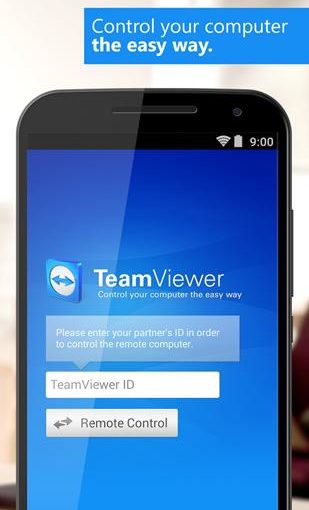
  • come to the central panel with two tabs (remote control, meeting)
  • navigate to the needed features

TimeSaver application provides high protective measures for users guranting safety and security of personal data by required encryption protocols. The software will appreciate users with an easy to navigate interface for communicating, arranging meetings, collaborating in conferences, and more. Install the leading option and start using it immediately to provide your business projects with quality collaborative options!

Why is firefox so slow and how to deal with it

The article will cover the main problems and common errors of software and how to run the situation properly with discovered firefox slow performance.

First steps to make your software work better

You might use different Internet browsers to manage your daily Internet activities. When one of the methods is slower you will surely come to another one to feel the better performance. If you have one browser and it is rather slow, it may cause problems with getting important data in time. If you’re running Firefox as your main searching digital tool, it is easy to overcome the situation and operate your network activities with ease.

The problem might be concerned about the updated version. If your software isn’t updated, it might use temporary bugs causing speedy issues. The latest item is ready to deal with the concerns properly. Take into consideration that restarted Firefox will work smoother. Restart your device before going on to further troubleshooting. If internet performance isn’t changing in comparison to other software, you have to operate the following issues.

Firefox is loading slow

Once you have installed your software, it may take time to load the program properly. To force you Firefox you have to move forward to the next steps:

  • Select the Menu button and click on the Options.
  • Jump directly to the Preferences.
  • Go to the General tab.
  • View whether there isn’t an error with the default browser (otherwise, it will take time to ask about changing your default browser when you open it).
  • Restore your last session (browsing page might be heavy because of restoring previous sessions).
  • Look for the Home tab.
  • Set the Blank Page (it will always open the new page not to load default items and errors).

Software manages too much RAM\

If you’re operating Firefox as your main browser for a certain period, your software might use much RAM onto your device. To overcome challenges you should run Safe Mode. It will help to handle your particular browser without loading ads. To take advantage of using Safe Mode you should:

  • Jump to the Menu panel.
  • Select Help restarting with Disabled Ads.
  • Restart your browser.
  • Choose Start in Safe Mode.
  • Hold Shift (to ensure it is fast enough and boost its speed).

If Firefox is starting faster, the problem is concerned about ads or plugins. To monitor and detect the indicator you have to run Task manager. Keeping it open makes the problem visible and you will discover which ad is taking much memory. You should disable these activities to come up with the solution. Select from Remove and Never activate to be sure it won’t load on your own. Limiting open tabs would be appreciating not to make them open at once, especially to remember the resource-heavy websites.